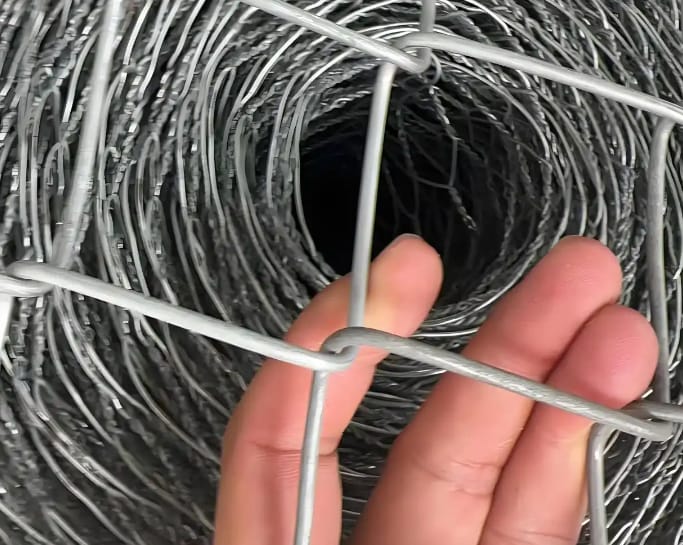
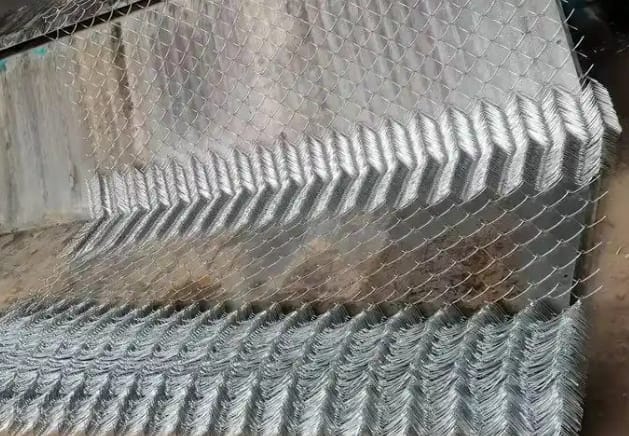
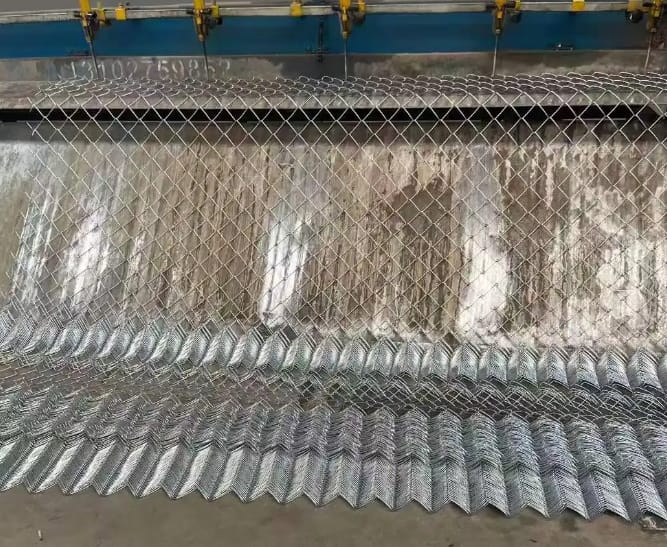
Safety fencing is a common protective measure in settings such as residential complexes, construction sites, and warehouses. However, with the wide variety of products available on the market, how do you choose one that is both practical and durable? Here are a few key factors to consider to help you avoid common pitfalls and select the right fencing for your needs.
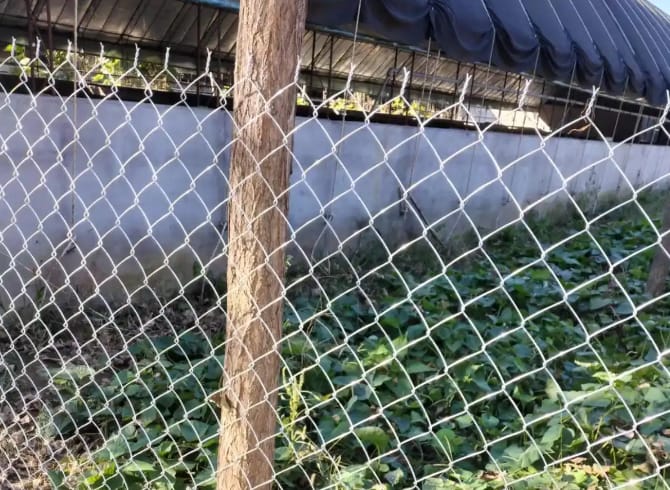
1. Consider the application scenario and functional requirements
Requirements vary significantly depending on the setting: for residential complexes, standard wire mesh is often sufficient, balancing protection with aesthetics; construction sites require sturdier framed fencing to prevent unauthorized access; and warehouses typically use fine-mesh designs to prevent goods from falling or shifting out of place.
For temporary needs—such as setting up an exhibition—prioritize lightweight, detachable options. For long-term, permanent installations, choose corrosion-resistant materials like galvanized steel tubing or PVC-coated mesh.
2. Material determines lifespan and cost-effectiveness
There are three common types of fencing materials:
Wire mesh: Low cost but prone to rusting; suitable for short-term use or dry environments.
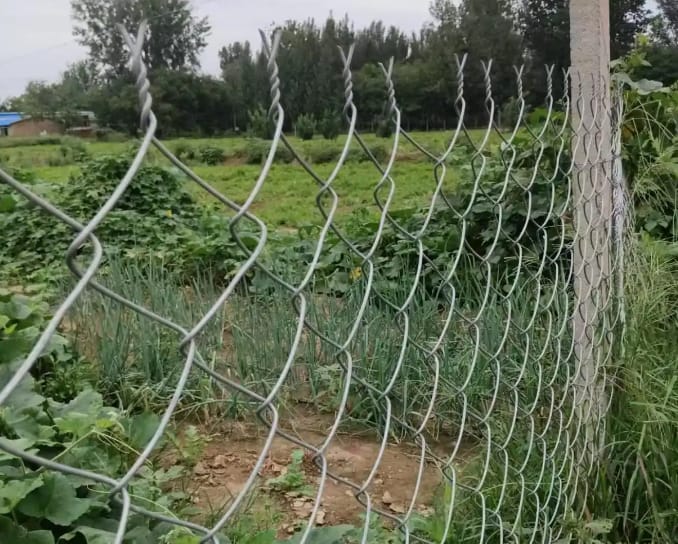
Galvanized mesh: Features a rust-proof galvanized coating and a lifespan 3–5 years longer than standard wire mesh; commonly used outdoors.
PVC-coated mesh: Offers the best corrosion resistance and comes in a wide range of customizable colors; ideal for residential areas, gardens, and other settings where aesthetics are a priority.
Note: Material thickness is also crucial. For example, steel support posts should be at least 1.2mm thick, and the mesh wire should be at least 2.0mm thick; materials that are too thin are prone to deformation.
3. Design details affect safety and installation
Consider the following during installation:
Height: Typically 1.2–1.5 meters for residential areas; over 2 meters is safer for construction sites.
Mesh size: Choose a mesh size of less than 5 cm for areas where children play to prevent hands from getting stuck.
Connection method: Welded mesh is more secure than twisted or woven mesh, making it suitable for high-load applications.
Ground anchoring: A concrete-poured base offers the greatest stability, while expansion bolts can be used for temporary installations.
A final tip: Always clarify whether installation services are included before purchasing—especially for large-scale barrier fencing—as professional installation helps prevent the fence from becoming loose or shifting over time.
Choosing a barrier fence is like choosing a tool: the right one is the best one. By first defining the intended use, then considering the material, and finally checking the details, you can easily select a fence that is both safe and practical.