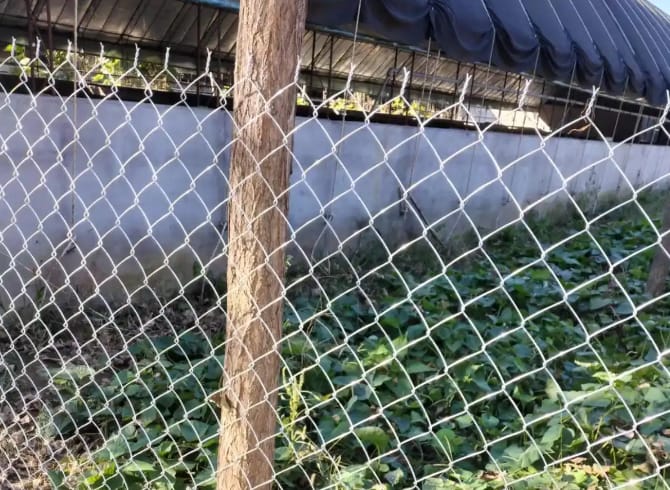
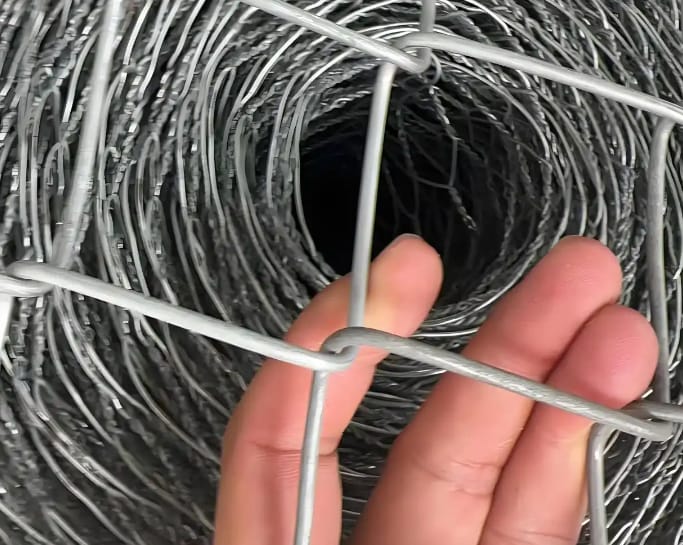
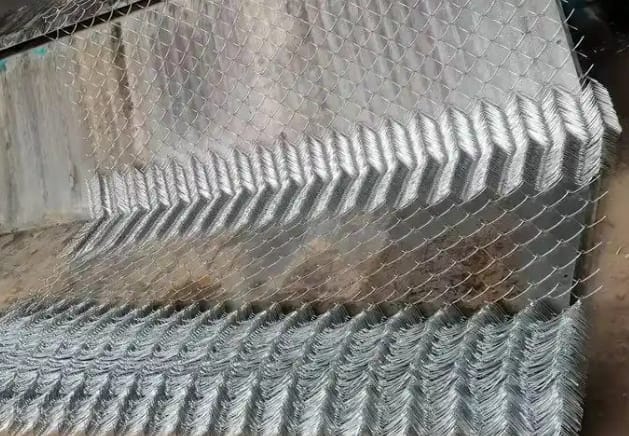
Steel wire mesh is a common metal mesh structure material, which is made by weaving or welding steel wires according to specific processes. It is widely used in the fields of construction, protection, filtration, etc. Its core principle is to utilize the strength of steel wire and the stability of mesh structure to achieve functions such as support, isolation, and protection.
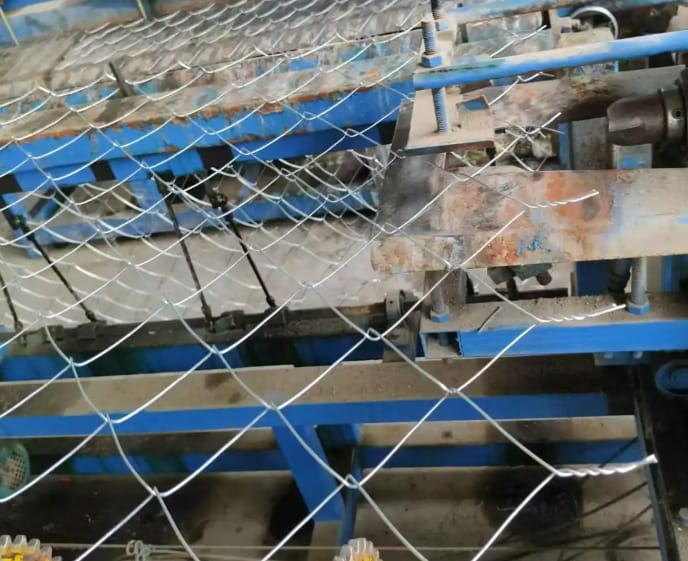
1. Principles of Weaving and Welding Processes
There are two main production processes for steel wire mesh: weaving and welding. The weaving process involves crossing and knotting metal wires to form a mesh, commonly known as plain weave, twill weave, etc. This structure gives the mesh excellent flexibility and breathability. The welding process involves spot welding or continuous welding of steel wires at high temperatures to form a more robust mesh structure, commonly used in load-bearing or protective scenarios.
2. Principles of Mechanical Properties
The mechanical properties of steel wire mesh are based on the tensile strength of the material and the stress dispersion characteristics of the mesh structure. The high strength of steel wire itself (such as the tensile strength of low-carbon steel wire reaching 300-500MPa) can effectively resist external forces, while the mesh structure disperses stress and avoids excessive local stress. For example, steel wire mesh used in construction can enhance structural integrity and reduce the occurrence of cracks during concrete pouring.
3. Principle of protective isolation function
In protective scenarios, steel wire mesh blocks object penetration or personnel climbing through dense grids. For example, the guardrails on both sides of highways use the sturdiness of steel wire mesh to prevent vehicles from rushing out of the road; The fence network restricts illegal intrusion through grid density. The aperture size (such as 10 × 10mm, 50 × 50mm, etc.) can be adjusted according to the protection requirements, and the smaller the aperture, the stronger the protection effect.
4. Filtering and sieving principles
Industrial steel wire mesh (such as filter screens) achieves material separation through grid size. For example, construction site screens use different pore sizes to screen sand and gravel, while food processing plant screens can filter impurities. This application relies on the uniform aperture and corrosion resistance of the steel wire mesh to ensure that it does not clog or deform during long-term use.
5. Principle of reinforced composite structure
Steel wire mesh is often used as a reinforcement layer in building materials such as concrete and walls. When combined with mortar or concrete, steel wire mesh can form a “steel reinforcement matrix” composite structure, significantly improving the material’s crack resistance and bending strength. Experimental data shows that the crack resistance of reinforced concrete with steel wire mesh can be improved by 30% -50% (Source: Journal of Building Materials, 2023, Issue 2).
Steel wire mesh achieves multiple functions from basic support to fine filtration through the combination of material properties and structural design. Choosing different materials (such as galvanized steel wire, stainless steel wire) and processes of steel wire mesh can adapt to various scenarios such as outdoor protection, industrial filtration, and building reinforcement needs.