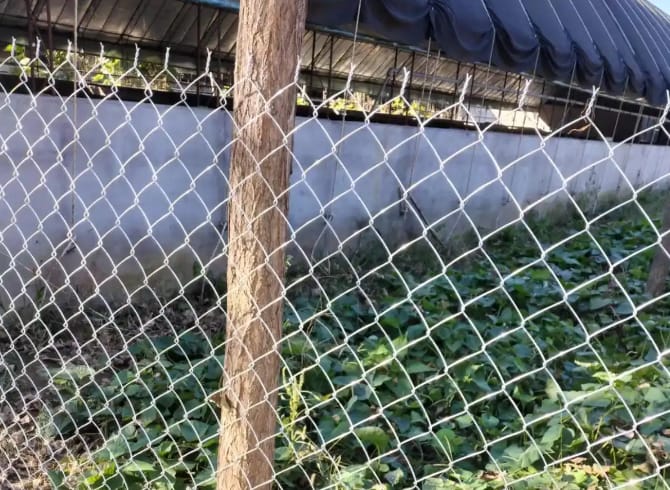
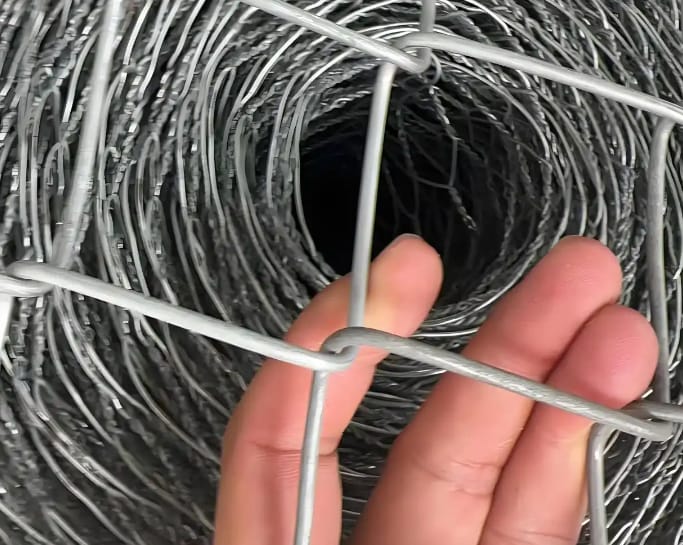
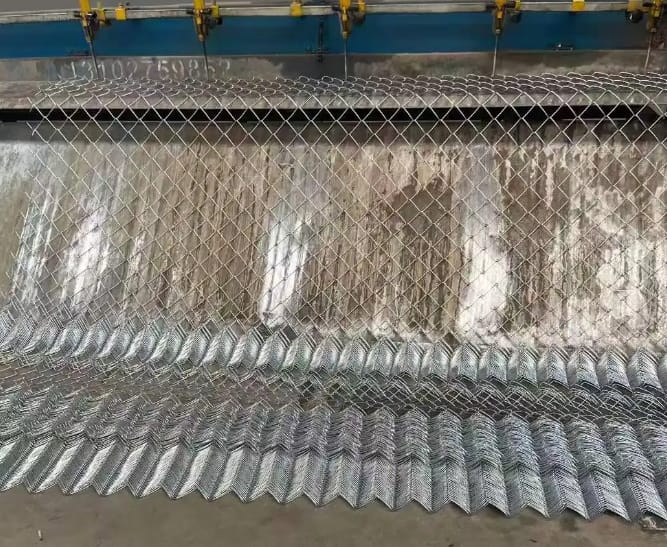
In landscaping projects, the role of green wire mesh (also commonly referred to as protective net or isolation net) cannot be ignored. It can effectively protect seedlings, divide areas, and prevent soil erosion. Choosing the appropriate green wire mesh can not only ensure the quality of the project, but also extend its service life and reduce costs. Now let’s talk in detail about the selection criteria for green wire mesh.
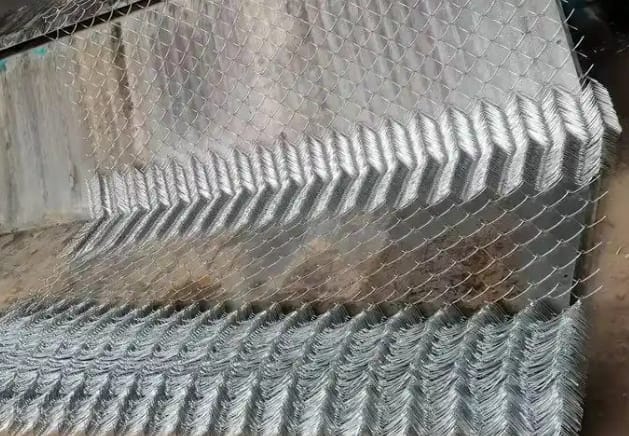
1. Material selection: common types and applicable scenarios
At present, the green wire mesh on the market mainly includes several materials such as galvanized wire, stainless steel wire, PVC coated wire, etc. Galvanized iron wire is cost-effective, has strong rust prevention ability, and is suitable for ordinary greening projects; Stainless steel wire has excellent corrosion resistance and is commonly used in special environments such as seaside and humid environments; PVC coated iron wire is more aesthetically pleasing and has a soft touch, making it less likely to scratch seedlings and suitable for areas with strong ornamental value.
2. Mesh size: Reasonably choose according to needs
Mesh size is one of the key indicators for material selection. If it is used to isolate seedlings and prevent people or animals from entering, it is generally more suitable to choose wire mesh with a diameter of 10cm × 10cm or 15cm × 15cm; If it is to prevent soil erosion, a wire mesh with a smaller aperture (such as 5cm × 5cm) has a better protective effect and can effectively intercept soil particles. It should be noted that a small mesh size may affect the growth space of plants and needs to be adjusted according to the specific size of the seedlings.
3. Wire diameter: determines firmness and load-bearing capacity
The diameter of the wire directly affects the firmness and load-bearing capacity of the wire mesh. Generally speaking, the wire diameter of green wire mesh is between 2mm and 5mm. If used to fix large seedlings or withstand large external forces (such as strong winds or animal impacts), a thicker wire diameter (such as 3mm or more) should be selected; If it is just ordinary isolation protection, a wire diameter of about 2mm can basically meet the requirements. Thin threads are prone to deformation, while thick threads can increase costs and construction difficulty.
4. Anti corrosion treatment: the core of extending service life
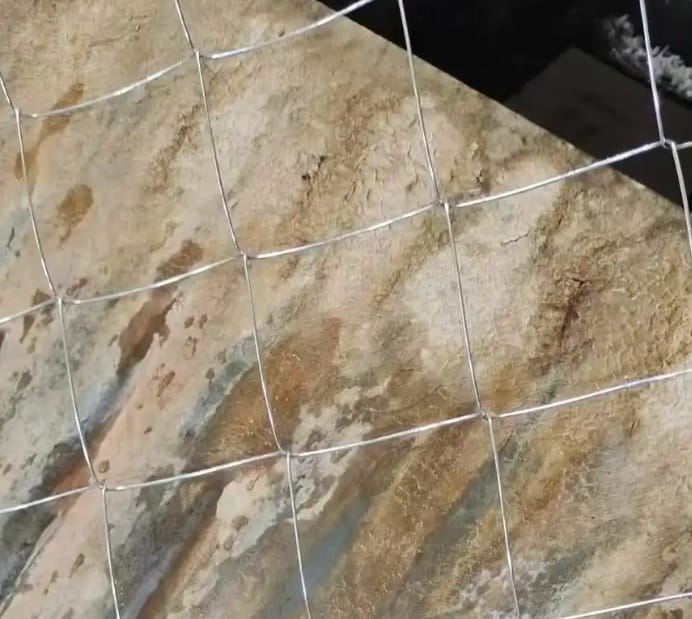
Greening projects are usually carried out outdoors, and anti-corrosion treatment of wire mesh is crucial. Common anti-corrosion methods include hot-dip galvanizing, cold galvanizing, PVC coating, etc. Hot dip galvanized iron wire has the best anti-corrosion performance, with a uniform galvanized layer and strong adhesion, and a service life of over 10 years; Although the cost of cold galvanized iron wire is low, the galvanized layer is thin, easy to rust, and the service life is relatively short; PVC coated iron wire isolates air and moisture through a plastic layer, effectively prevents rust, and comes in a variety of colors, which can be selected according to the engineering style.
5. Appearance and installation: Details affect the engineering effect
In addition to hard indicators such as material, mesh size, and wire diameter, appearance and installation convenience also need to be considered. For example, whether the surface of the iron wire is smooth and free of burrs, which can avoid scratching the seedlings or construction personnel; Whether the edges of the mesh have been treated (such as rolled edges or wrapped edges) to prevent loose wire and improve safety. In addition, choosing structural forms that are easy to install, such as rolled mesh, sheet mesh, etc., can accelerate construction progress and reduce labor costs.
6. Compliance and Environmental Protection: Compliance with standards is more reliable
When selecting materials, it is also necessary to pay attention to whether the product meets relevant national standards, such as whether there is a production certificate, inspection report, etc. At the same time, try to choose environmentally friendly materials and avoid using iron wire containing harmful chemicals to ensure no negative impact on plants and the environment.
The selection of materials for green wire mesh should comprehensively consider various factors such as material, mesh size, wire diameter, anti-corrosion treatment, appearance and installation, and choose the most suitable product based on the actual needs of the project, environmental conditions and budget. I hope these standards can help everyone choose suitable wire mesh in greening projects and make the project more smoothly completed.