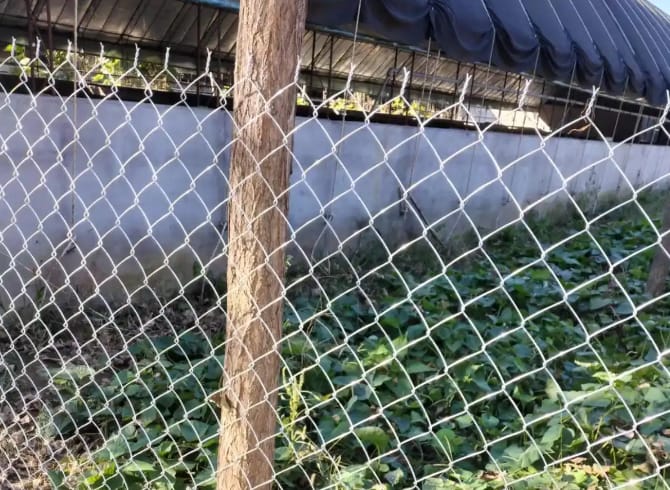
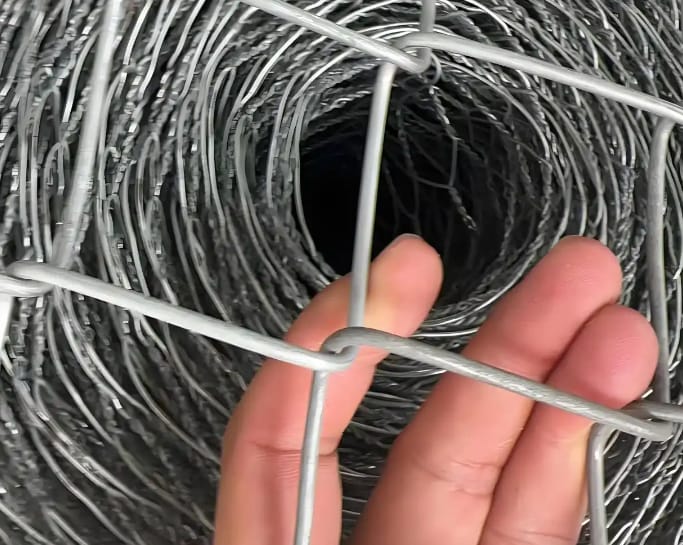
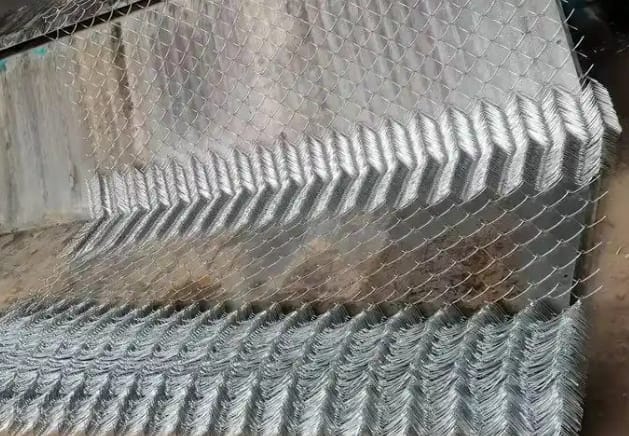
When installing fence wire mesh, parameter selection directly affects the effectiveness and safety of use. Many people are unclear about which parameters to focus on, leading to pitfalls in procurement. Today, we will provide a detailed analysis of the key parameters of fence wire mesh to help you choose the appropriate product.
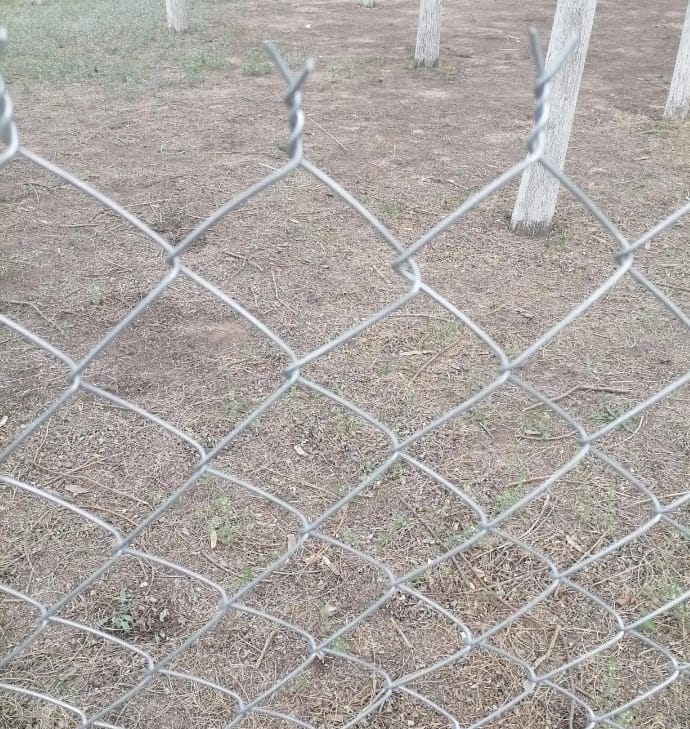
1. Wire diameter size: the core of load-bearing and protection
Wire diameter is the diameter of a steel wire mesh, usually measured in millimeters (mm). The larger the diameter, the thicker the steel wire, the stronger the mesh, and the stronger the load-bearing capacity. For example, 2mm steel wire mesh is suitable for ordinary fences, while 3mm or more is suitable for scenarios with high protection requirements. When making a purchase, it can be judged based on the purpose: the fence for the community should be around 2.5mm, and for orchard protection, it is recommended to be at least 3mm.
2. Mesh size: determines the protection range
Mesh is a square or diamond shaped gap formed by two adjacent steel wires in a steel wire mesh. Common specifications include 5 × 10cm, 10 × 10cm, 15 × 15cm, etc. Small mesh holes (such as 5 × 10cm) are suitable for preventing small animals, while large mesh holes (15 × 15cm) have good ventilation but weak protection. For example, zoo fences commonly use 10 × 10cm mesh holes, while farmland protection can choose 15 × 20cm.
3. Mesh size: customized according to needs for more practical use
The mesh size includes length and width, and common finished product sizes include 1.8m × 3m, 2m × 3m, etc. If splicing is required on site, attention should be paid to reserving overlapping space; If it is a customized size, the site needs to be measured in advance. For example, in rural courtyard fences, 2m high x 3m long mesh is commonly used, which is easy to install and saves materials.
4. Material and rust prevention treatment: affecting service life
In terms of material, low-carbon steel wire is a commonly used material with moderate cost; Galvanized steel wire has better rust resistance and is suitable for outdoor environments. Common rust prevention treatments include hot-dip galvanizing and cold dip galvanizing. Hot dip galvanizing has strong adhesion and a service life of over 10 years. In humid areas or coastal environments, it is recommended to prioritize the use of hot-dip galvanized materials.
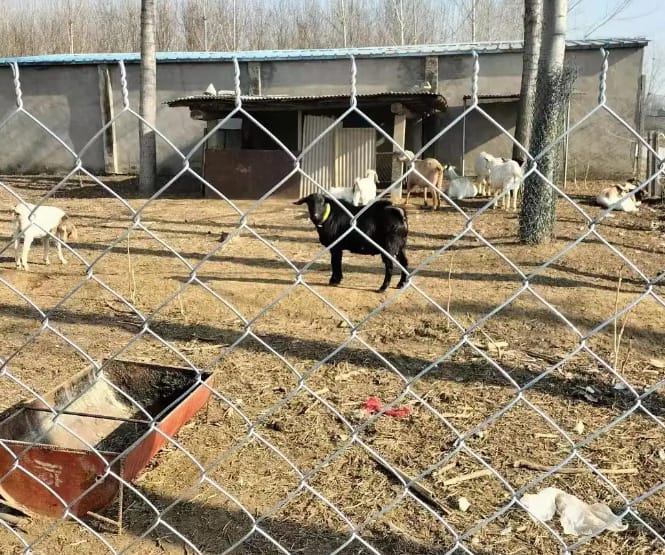
5. Borders and columns: guarantee of structural stability
Fence wire mesh is usually used in conjunction with frames and columns. The thickness of the frame is generally between 1.5mm-3mm, and the diameter of the column is between 50mm-80mm. The frame can enhance the overall integrity of the mesh, and the recommended spacing between columns is generally 1.5m-2m. Too dense will waste materials, while too sparse will affect stability. For example, the spacing between the pillars of the courtyard fence is 1.8m, and the best effect is achieved with a 30mm thick frame.
The above is the key parameter analysis of the fence wire mesh. When making a purchase, it is necessary to consider the actual use, such as protection, environmental factors, budget, and other factors comprehensively. If there are special requirements, remember to communicate with the manufacturer in advance to customize and ensure that the fence is both safe and practical.