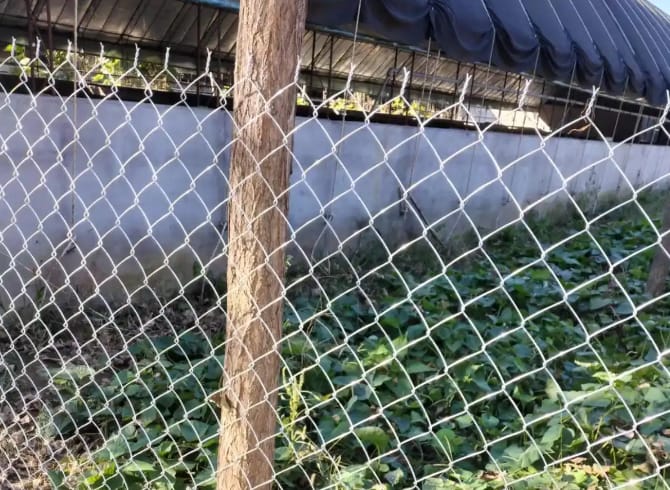
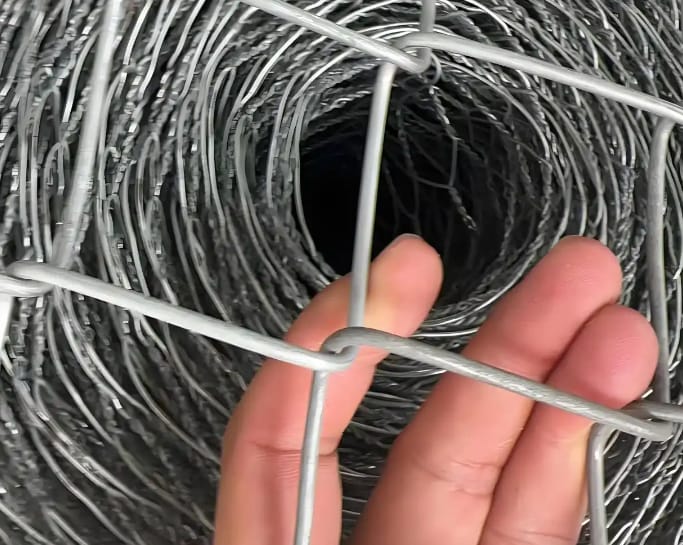
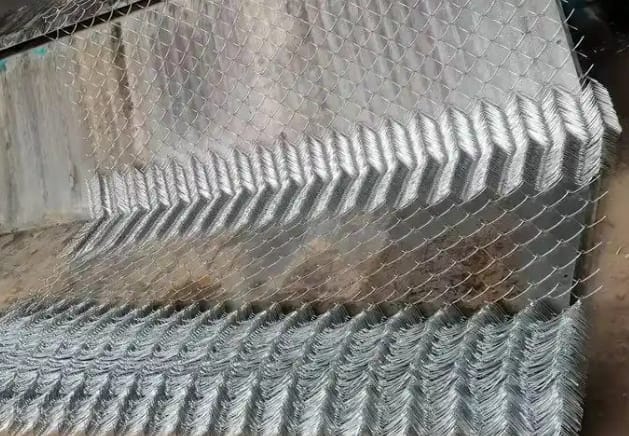
The core difference between aluminum fence and iron fence is that aluminum is naturally corrosion-resistant, lightweight and maintenance free, but has a high unit price; Iron materials have high strength and low cost, but are prone to corrosion and require regular maintenance.
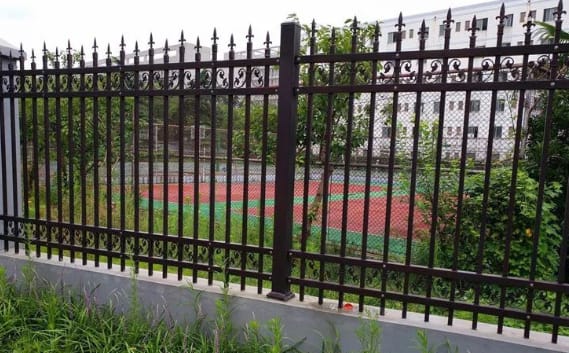
Key Differences Comparison
Corrosion resistance: The surface of the aluminum fence forms a dense oxide film, which, when combined with electrostatic spraying, can remain rust free for life and adapt to humid and salt spray environments; Iron fences (including ordinary steel/wrought iron) are prone to oxidation and rusting, and require protection through processes such as galvanizing and spraying. They require frequent maintenance after damage.
Weight and installation: Aluminum has a density of about 1/3 that of iron, has a light weight, is easy to transport and install, and has low requirements for foundation load-bearing; Iron fences are heavy and often require welding or heavy fixing for installation, making construction difficult.
Cost structure: The initial purchase price of aluminum fence is usually 1.5-2 times that of iron; However, the maintenance/renovation cost of iron fences in the later stage is high, and the full lifecycle cost of aluminum materials is often lower.
Shape and strength: Iron can forge complex artistic patterns, with slightly higher absolute impact resistance; Aluminum is formed by extrusion, and modern technology can achieve fine shapes such as imitation copper/imitation stone, with structural strength meeting the majority of protection requirements.
Service life: High quality aluminum fence has a design life of 30-60 years and does not require major repairs; Without strict maintenance, ordinary iron fences may experience severe corrosion and deformation within 5-10 years.
Selection Suggestions
Aluminum fence selection: Seaside, high humidity areas, high-end residential areas, villas, municipal landscapes, and scenes that pursue “one-time investment, long-term maintenance free”.
Choose iron fence: extremely limited budget, dry inland environment, short-term temporary enclosure or specific retro art design needs (subject to regular rust removal and painting).
Note: The commonly seen “iron fence” in the market refers to hot-dip galvanized zinc steel guardrails, which have much better rust prevention performance than traditional black iron art. When purchasing, it is necessary to distinguish between the material substrate and surface treatment process.